

Rotec China Office nimmt offiziell den Betrieb auf
Click to view Rotec China Office nimmt offiziell den Betrieb auf
Rotec Munich setzt seinen internationalen Wachstumskurs konsequent fort: Das neue ROTEC China Office hat...


Precise analysis of torsional vibrations, valve dynamics and transmission errors for automotive, energy & mechanical engineering.
By measuring torsional vibration in combination with analogue measured values, important information about the operation and performance of the engine can be obtained and potential problems can be detected. Torsional vibration measurement involves analysing and evaluating vibration during operation. The measurements can indicate imbalance, wear or other mechanical anomalies. Their interpretation and conclusions about further operating parameters depend on the measurement setup, recorded quantities and operating conditions.

Problems: Catastrophic failure, deflection, performance degradation, chain noise, tensioner uniformity. Goal: Improved valve timing, improved reliability, reduced power loss, improved NVH characteristics.
Learn more
Problem: Slippage, stretching, belt vibration & noise, pilling, misalignment. Goal: Managed accessory load, belt tension, tensioner and balancer refinement, overrunning decoupler design.
Learn more
Problem: Gearbox noise, pitting, eccentricity, transmission error (TE), backlash, whirling. Goal: Anti-backlash designs, coupling refinement and noise reduction.
Learn more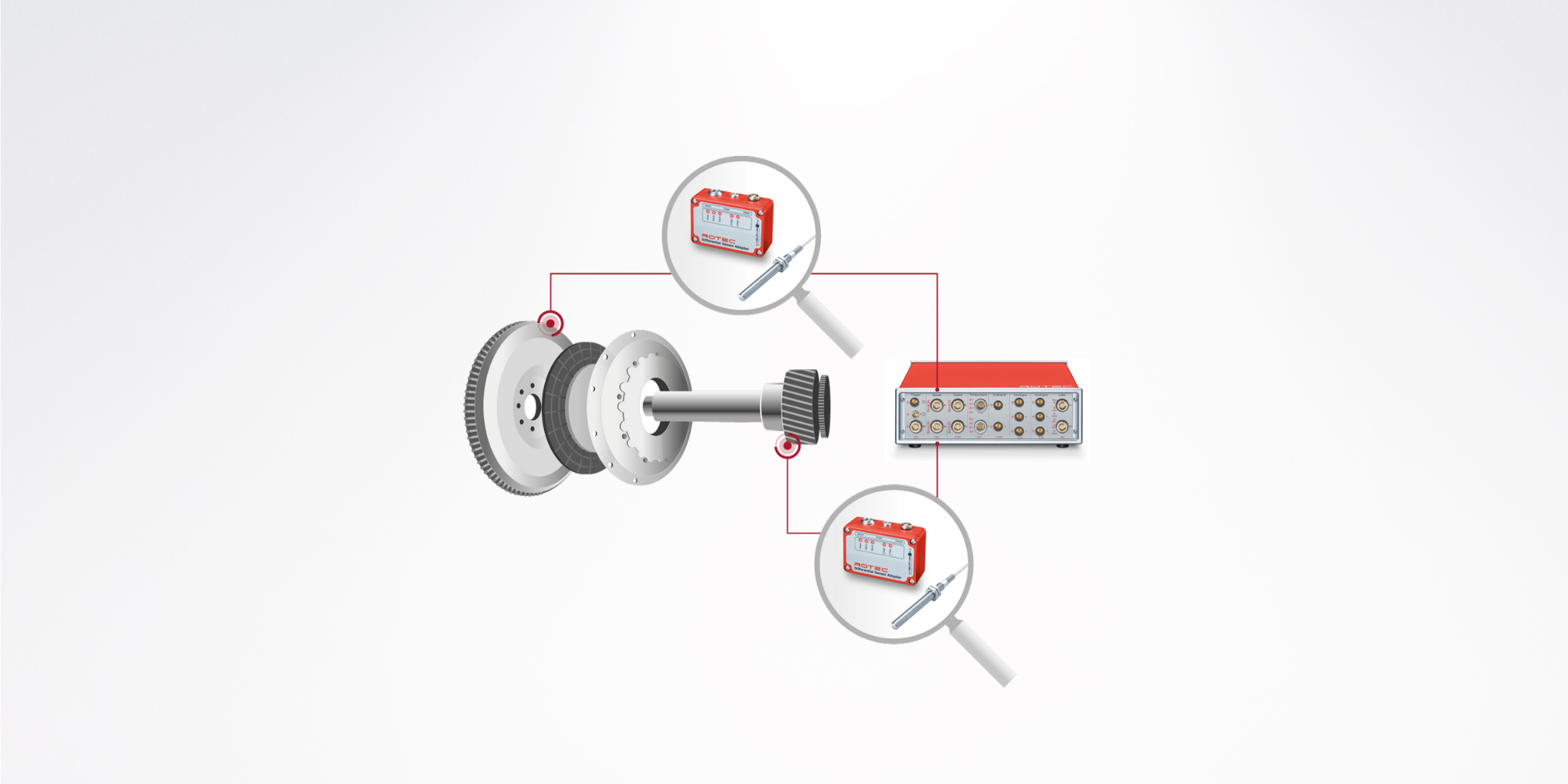
Problem: Crankshaft torsion, slip, judder and disengagement Goal: Clutch design, dual-mass flywheel refinement, material selection and spring refinement.
Learn more
Problem: Gear rattle, shudder, resonance, booming and engine whine. Goal: Mass balancing, occupant comfort, calibration and isolation mount development.
Learn more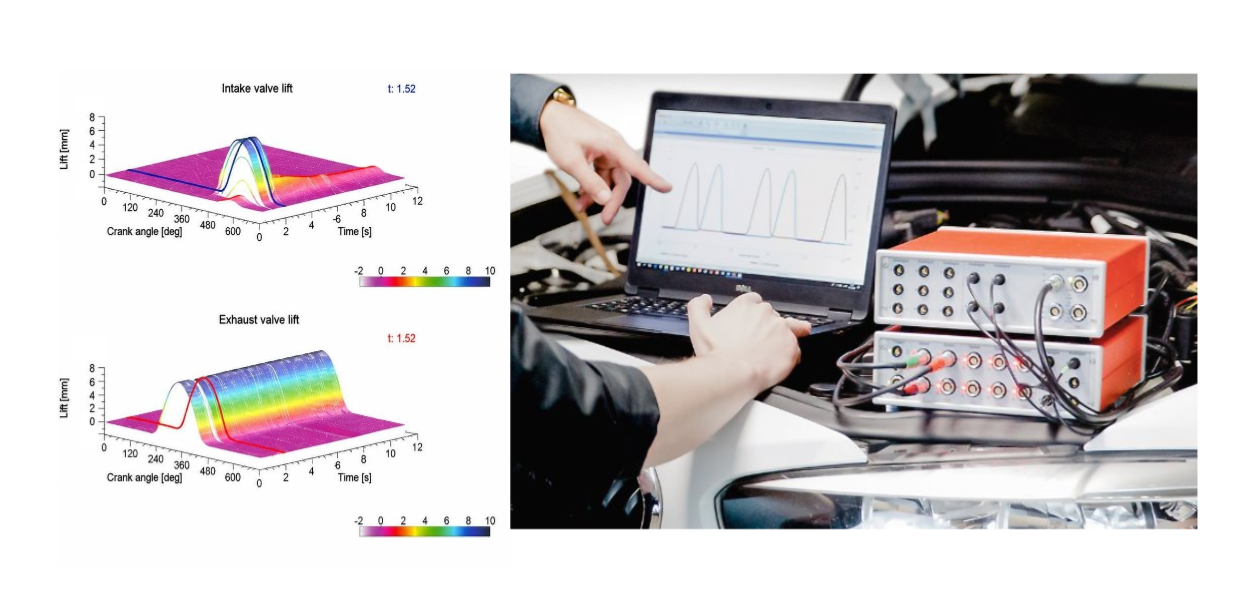
Problem: Valve bounce & float, rubbing, valve lift and timing. Goal: Follower refinement, Variable Valve Timing (VVT) , Variable Valve Lift (VVL), sodium valves and lash adjuster development.
Learn moreInvestigate torsional vibration, transmission error and structure-borne noise in wind turbine gearboxes and turbines. RASdelta and suitable sensors provide measurement data for assessing dynamic loads and resonances.

Problems: Transmission error, emissions of structure-borne sound and noise, torque spikes, bearing cracks and mechanical wear on components. Objective: Elastomeric mount design, flexible couplings design, tuned mass dampers (TMDs) refinement, active vibration control (AVC) and tooth profile grinding
Learn more
Problems: Mechanical damage to the turbine, shaft breakage of the turbine and identification of resonance areas. Objective: Support turbine design and investigate the effect of grid-frequency fluctuations on torsional vibration.
Learn moreMagnetic and laser sensors, accelerometers, microphones, and current and voltage probes capture mechanical and electrical quantities in the drivetrain. Evaluating these measurements together supports the analysis of torsional vibration, transmission error and NVH phenomena.
Problems: Acoustic responses, NVH artefacts (noise, vibration, harshness), torsional oscillations and dynamic loads on the e-drivetrain. Goal: Torsional damping coupling designs, torque ripple reduction, soft-mounting and active cancellation

Problem: Start/Stop shock, cylinder deactivation, acoustic harmonic resonances and clutchless rattle. Goal: Centrifugal pendulum absorber (CPA) development, dual mass flywheel refinement, elastomer damper design and torque ripple cancellation.
Learn more
Problem: Micro-jerk, gear whine, zipper noise, acoustic short circuits and inverter noise Goal: Skewing, harmonic injection, high contact ratio (HCR) gear design and double-decoupling.
Learn moreHigh-resolution incremental encoders and accelerometers provide data for analysing rolling deviations, torsional vibration and other vibration in the time and spectral domains. Our modular DAQ system and RAS software support dynamic rotational-angle and resonance analyses for timing-drive validation, coupling and gearbox optimisation, and related development tasks aimed at reducing noise and improving durability and efficiency.

Problem: Transmission error, frequency ghosting, gearbox noise and surface damage. Objective: Reduced gear whine, reduced vibration, measure pitch error and predict gear singing.
Learn more
Problem: Roller skidding, excess scuffing, eccentricity and brinelling Goal: Correct pre-loading, inlet funnels and tapered roller bearing design
Learn moreRAS stands for Rotational Analysis System. ROTEC combines speed sensors and signal conditioning with the modular RASdelta measurement system and RAS software to measure and analyse rotating components. ROTEC ENGINEERING supports measurement planning, execution and evaluation.
RASdelta is modular and configured around the measurement task. RAS software provides tools for analysing rotating components and complex systems. The appropriate measurement cards and software configuration depend on the signals and analyses required. ROTEC ENGINEERING supports application-specific questions.
ROTEC not only offers speed sensors, signal conditioning, measurement systems (DAQ) and measurement and evaluation software, but also engineering and consulting services. Our services include the design of measuring points in CAD, the mechanical processing of components, the application and calibration of sensors, the execution of measurement tasks and the evaluation of measurements in accordance with our customers' requirements, including the presentation of the results. The ROTEC ENGINEERING team can also realise sub-projects as part of project support.
ROTEC offers tailored training for users. Contact us for current dates, languages and training formats, including the ROTEC Training Week. Course content is agreed around your specific ROTEC measurement application and, depending on the format, can combine theoretical foundations, an in-depth introduction to the software and practical demonstration measurements in your own environment. This supports users in preparing for their particular application. Furthermore, we are happy to support you in the commissioning of new measuring systems to help you become familiar with the settings and capabilities of RAS software.
In addition to our sales and support team in Munich, which serves the Central European market directly from here, ROTEC also cooperates with local partners in many global markets. These partners support local users with trained personnel with questions about ROTEC measurement technology, first-level support and sales enquiries. Please contact us or your regional representative to discuss the support available for your specific question. In addition to personal contact, ROTEC also offers an extensive knowledge database for self-help. Registered users can find detailed information on measuring and analysing torsional vibration, transmission error and valve systems. Contact the ROTEC team for information about access.
ROTEC ENGINEERING offers customised measurement technology solutions and complete project management.
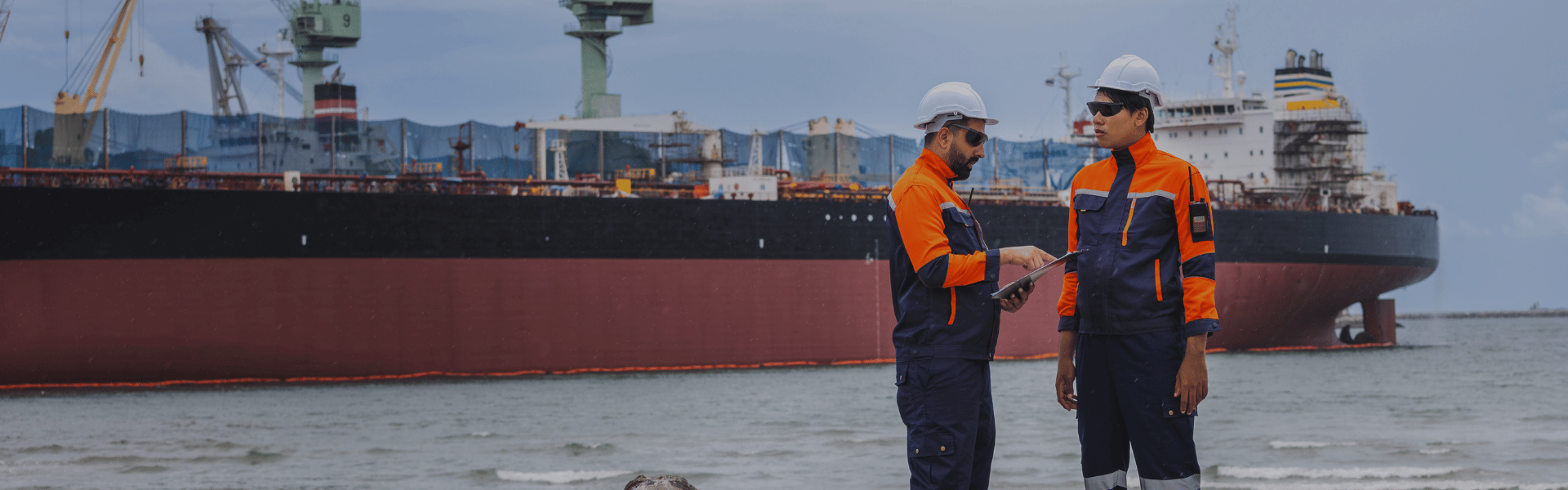
Discuss projectROTEC measurement technology is used worldwide in development, on test benches and in operation – from automotive and motorsport to marine, energy and mechanical engineering.











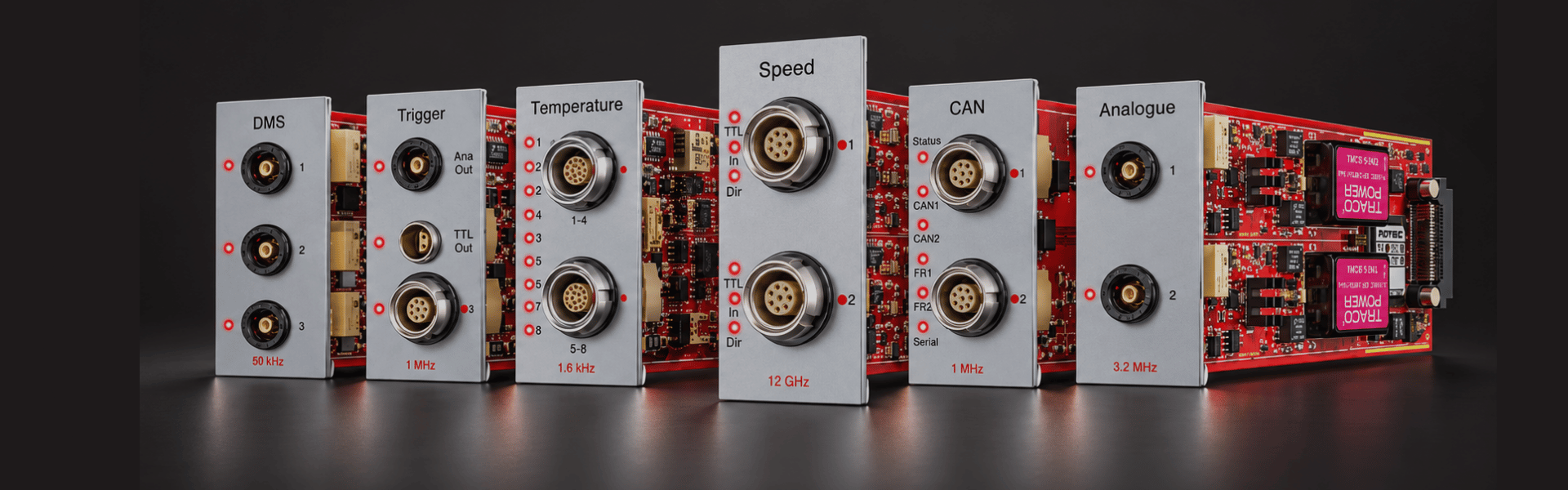




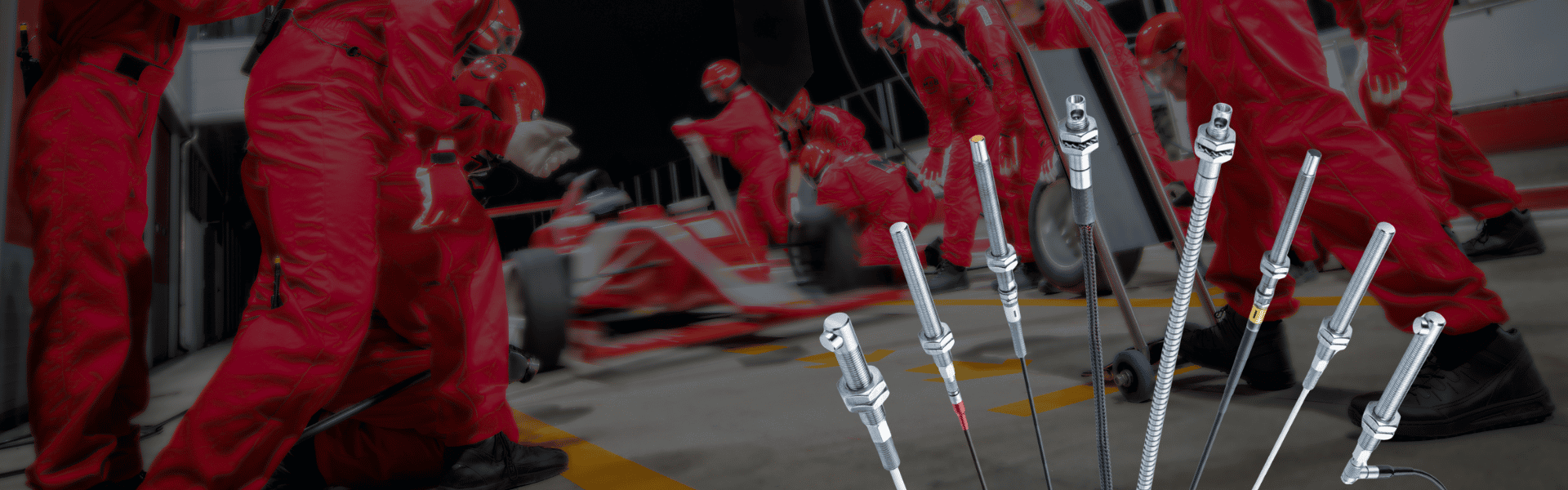
Präzise Ergebnisse entstehen durch das Zusammenspiel von Sensorik, Signalaufbereitung, Datenerfassung, Analyse und technischem Systemverständnis.
Steuertrieb, Nebenaggregate, Kupplung und Dämpfer, Getriebe sowie Ventildynamik werden gezielt analysiert, um das dynamische Verhalten des Verbrennungsmotors ganzheitlich zu verstehen.
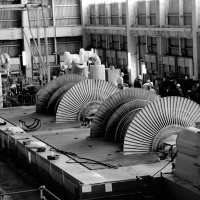

Präzise Ergebnisse entstehen durch das Zusammenspiel von Sensorik, Signalaufbereitung, Datenerfassung, Analyse und technischem Systemverständnis.
ROTEC Messtechnik wird weltweit in Entwicklung, Prüfstand und Betrieb eingesetzt – von Automotive und Motorsport bis Marine, Energie und Maschinenbau.


